Align
Clarify goals, participants, context, schedule, expected outcomes, and scope.

Capability
Capability is built through needs-led design, practical learning, qualified facilitation, and follow-through tied to actual work.
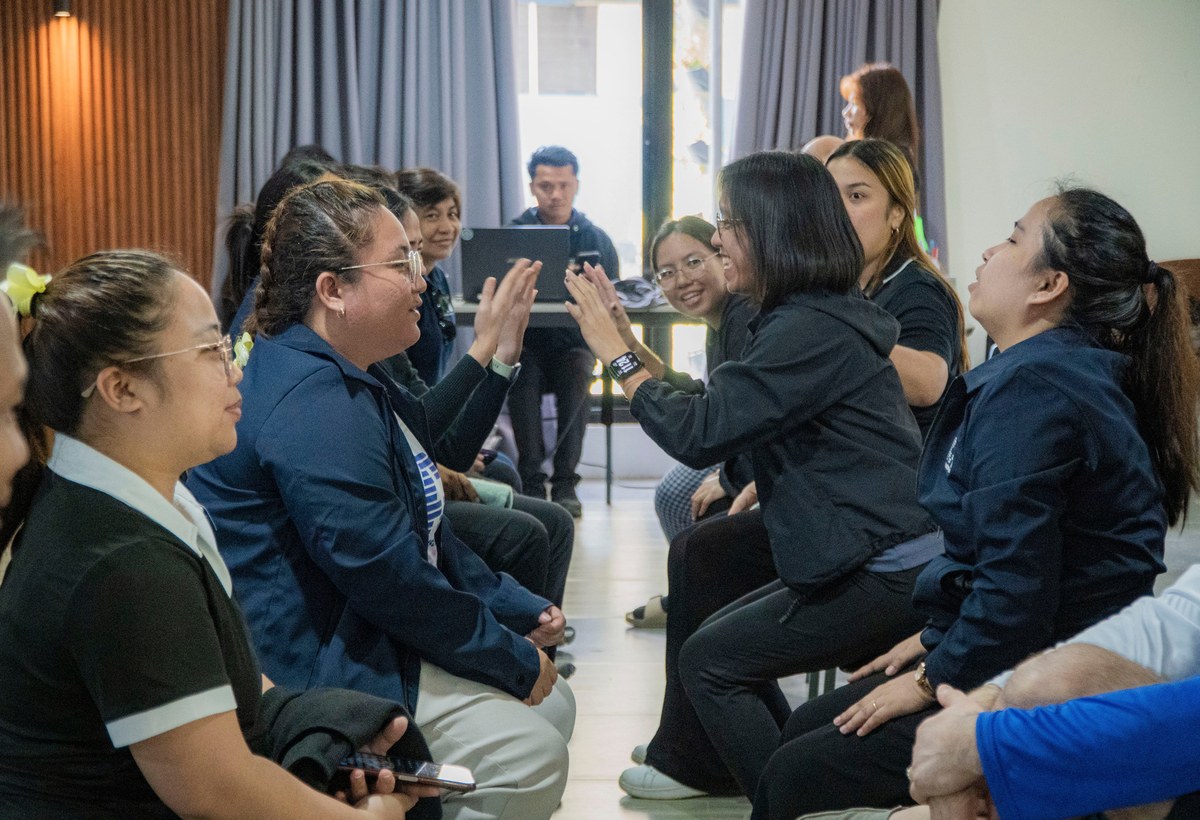
Development Model
PeopleSkills combines human-centered facilitation, practical learning design, industry context, and the wider COMPASS ecosystem to create programs relevant to real people and real workplaces.
Programs begin with an understanding of the organization, participants, roles, challenges, expectations, and desired outcomes.
People Means Potential. With relevant opportunities, appropriate support, and practical development, people can build the capabilities needed to contribute more effectively to teams, organizations, professions, and communities.
Pathway
Clarify goals, participants, context, schedule, expected outcomes, and scope.
Gather information about current capabilities, workplace challenges, and participant learning needs.
Define learning outcomes, content, activities, materials, and agreed evaluation measures.
Facilitate learning through workplace cases, scenarios, group exercises, reflection, action planning, feedback, and continuing development recommendations.
Capability Areas
Programs that strengthen supervision, delegation, accountability, coaching, decision-making, people management, and change leadership.
Practical workplace writing, presentations, feedback, influence, emotional intelligence, time management, self-management, and professional conduct.
Team alignment, trust, role clarity, conflict management, collaborative problem-solving, coordination, accountability, and shared responsibility.
Service mindset, customer communication, complaint handling, stakeholder care, service recovery, and consistent client experience.